Still Marking Attendance Manually? Here's What It's Costing Your Institution in 2026

Audio Summary
Every minute a teacher spends calling out names is a minute not spent teaching.
In 2026, educational institutions across India are under mounting pressure — from regulatory compliance demands and growing student enrolments to faculty workload and the expectation of real-time data at every administrative level. Yet a surprising number of schools, colleges, and universities are still relying on paper registers, manual roll calls, and spreadsheets to track student attendance.
The question isn't whether your institution can upgrade to a digital attendance system. The question is: what is sticking with the old system actually costing you?
What Is an Online Student Attendance Management System?
An online student attendance management system is a cloud-based digital platform that allows educational institutions to electronically mark, track, monitor, and manage student attendance — in real time, from anywhere.
It replaces the traditional roll-call method with an automated, data-driven workflow that saves time, reduces errors, and gives administrators, faculty, students, and parents a single source of truth for attendance records.
Modern systems go far beyond simple check-ins. They integrate biometric authentication, facial recognition, mobile apps, and cloud dashboards to make attendance tracking seamless, tamper-proof, and deeply insightful.
What Does an Attendance Management System Actually Do?
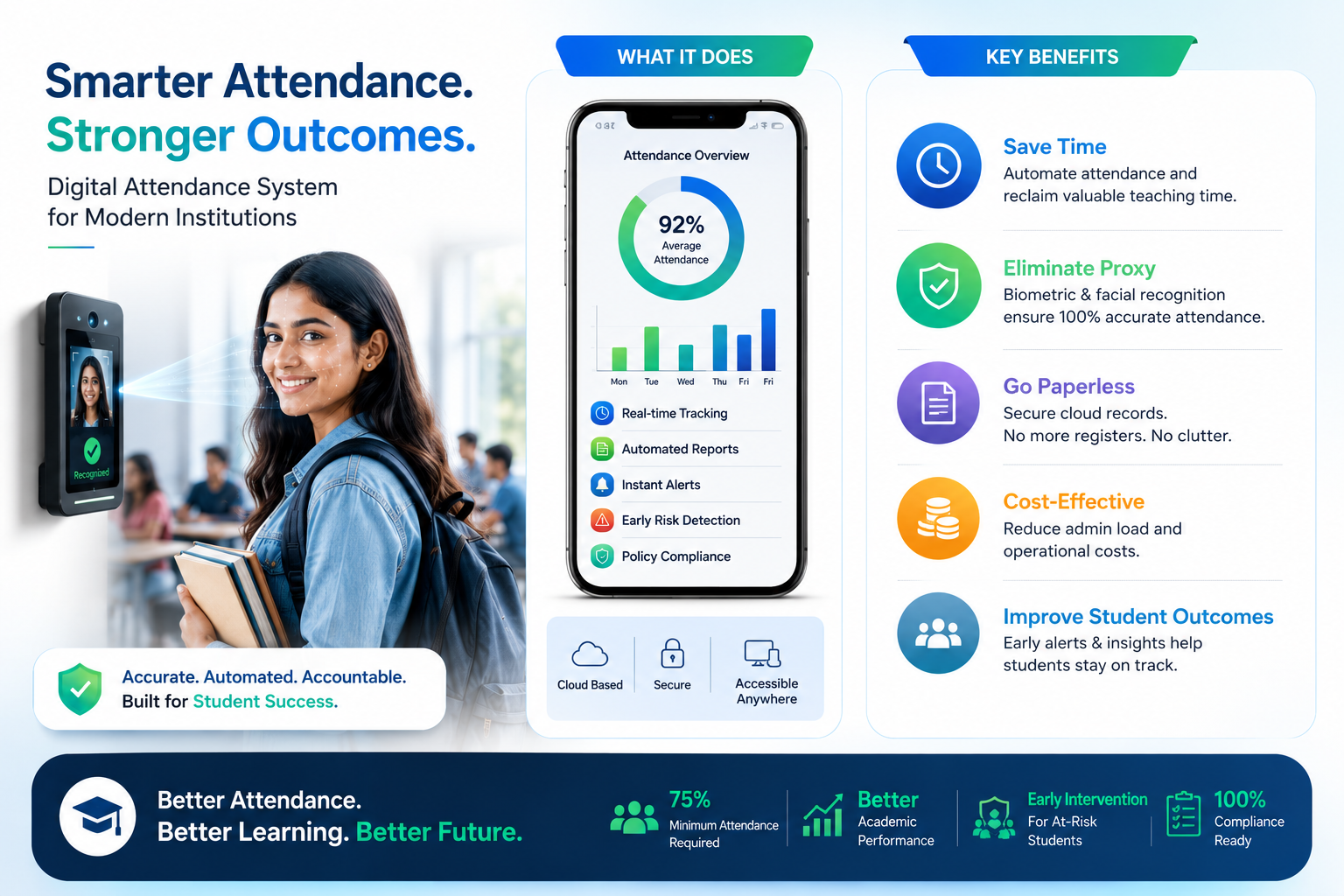
- Tracks attendance in real time across multiple classes, departments, and campuses
- Generates automated reports — subject-wise, lecturer-wise, and student-wise — at the click of a button
- Sends instant alerts to students and parents when attendance dips below the required threshold
- Identifies patterns to flag students who may be at academic risk due to absenteeism
- Ensures regulatory compliance with UGC, state board, and institutional attendance policies
- Integrates with existing ERP or student information systems for end-to-end academic management
Why Does Student Attendance Matter So Much?
In India, most universities and colleges mandate a minimum 75% attendance for students to be eligible to appear in examinations. Falling short doesn't just affect a student's academic record — it can bar them from sitting exams entirely.
- Students who attend regularly demonstrate stronger academic performance, better comprehension, and higher knowledge retention
- Consistent attendance builds discipline, time management, and accountability
- Early identification of absenteeism patterns allows institutions to intervene proactively — through counselling, academic support, or parental engagement — before a student falls too far behind
What Is a Smart Attendance System and How Is It Different?
A smart attendance system uses a combination of technologies — biometrics, facial recognition, cloud computing, and machine learning — to automate the entire attendance lifecycle.
- Facial recognition & fingerprint scanning — eliminates proxy attendance completely
- Automated attendance marking — no manual input required from faculty
- Real-time cloud sync — records instantly accessible across devices and locations
- Intelligent early warning alerts — students and parents notified the moment attendance falls below required percentage
- Personalised attendance dashboards — students track their own attendance history, class-wise and subject-wise
- Predictive analytics — flags at-risk students before the problem escalates
The Real Benefits of an Online Attendance System
1. Significant Time Savings for Faculty: Manual roll calls consume 5–10 minutes per class. An automated system reclaims that time — giving it back to teaching, mentoring, and learning.
2. Elimination of Proxy Attendance: Biometric and facial recognition-based systems make proxy attendance virtually impossible, ensuring attendance data is always accurate and trustworthy.
3. Paperless, Clutter-Free Administration: Digital systems eliminate paperwork entirely — all records stored securely in the cloud, audit-ready and accessible at any time.
4. Cost-Effective in the Long Run: Reduced administrative manpower, elimination of printing costs, and fewer compliance-related penalties make it a sound financial decision.
5. Customised, Granular Reporting: Administrators can generate detailed reports in seconds — filtered by student, class, subject, lecturer, or date range.
6. Automated Early Warnings: When a student's attendance crosses a critical threshold, the system automatically alerts the student, their parents, and the relevant faculty.
7. Regulatory Compliance Made Simple: Whether it's UGC norms, state board requirements, or internal institutional policies, the system ensures every regulation is tracked with a complete audit trail.
8. Enhanced Student Ownership: When students have real-time access to their own attendance data, they take greater ownership of their academic responsibilities.
The Bottom Line
Manual attendance management isn't just inefficient — it's a liability. In an era where data drives decisions, institutions that rely on paper registers and manual roll calls are operating blind. They're missing early intervention opportunities, losing faculty time, risking compliance failures, and falling behind in the broader digital transformation of education.
An online student attendance management system isn't a luxury. In 2026, it is the standard — and institutions that haven't made the switch yet are paying for it in ways they may not have fully measured.
The shift is simple. The impact is significant. The question is no longer do you need it — it's how quickly can you get started?
Related Articles
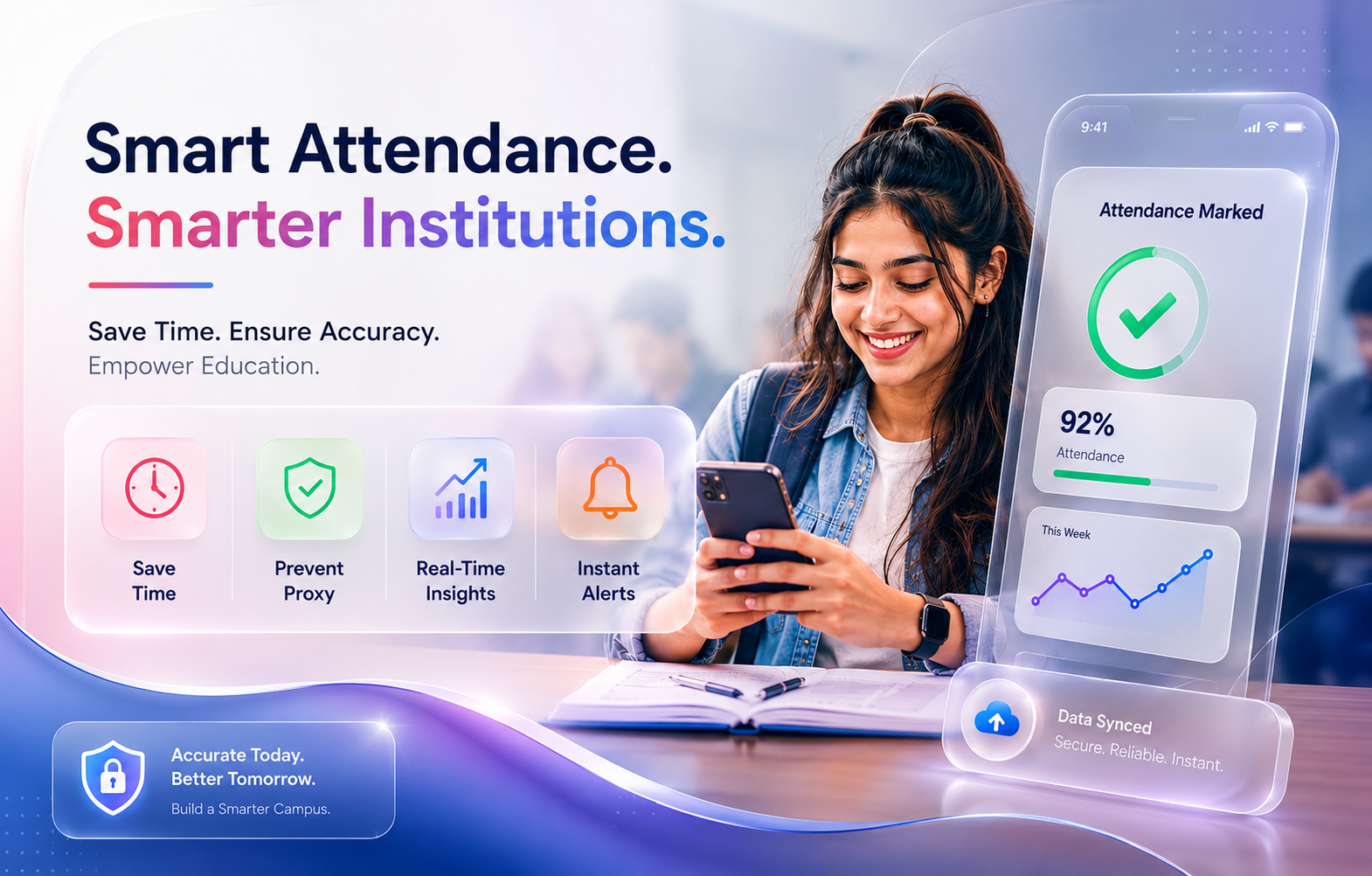
Why Your Institution Is Losing Valuable Time Without an Online Student Attendance Management System
21 Feb 2026 • 6 min read
From Clipboards to Cloud: How to Build an Effective Visitor Management System in 2026
15 May 2026 • 7 min read
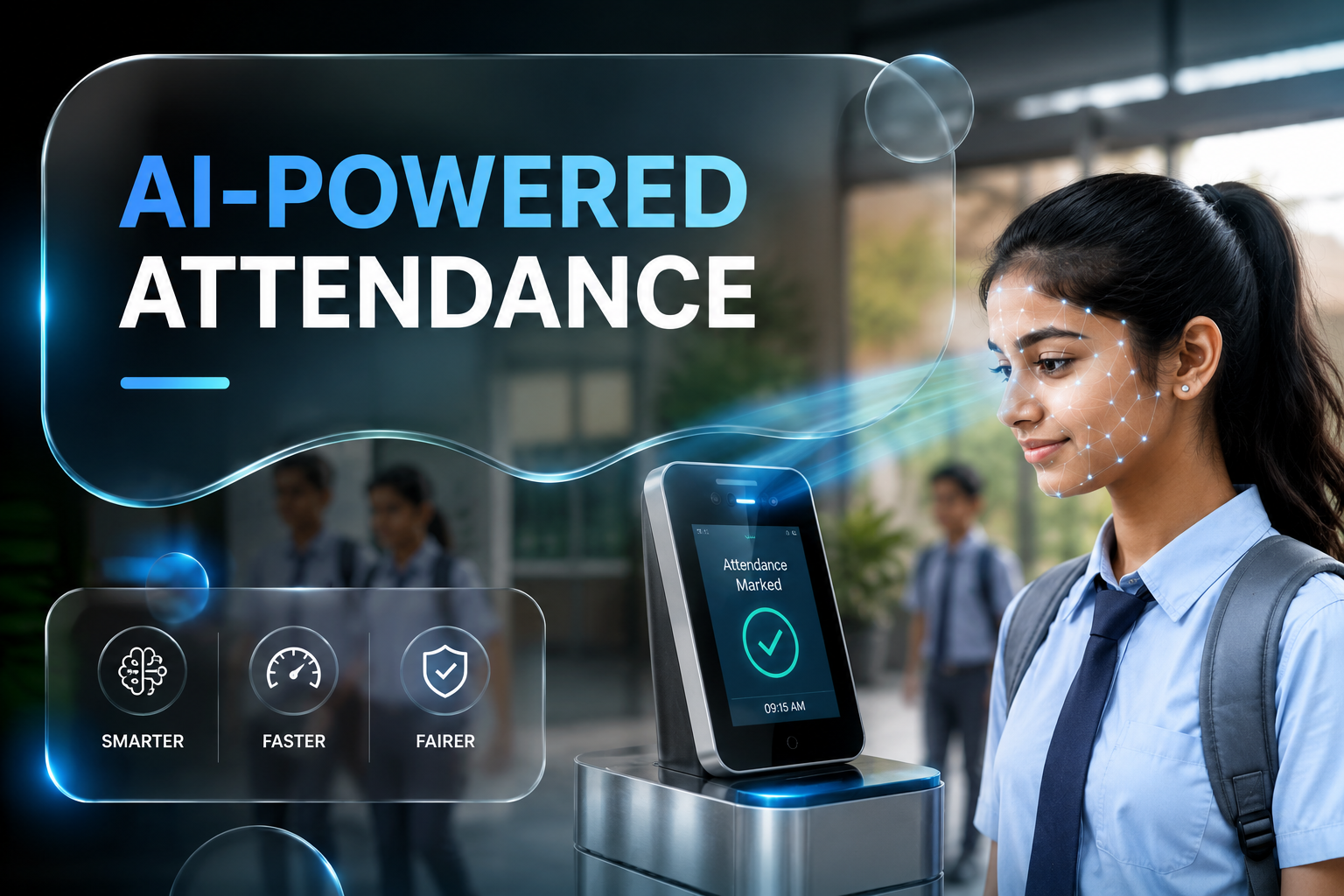
Still Calling Names Aloud? It's Time to Let AI Handle Attendance
22 Apr 2026 • 6 min read